

The Origins of Gambling
The practice of gambling dates back thousands of years, with evidence suggesting its existence in ancient civilizations. Archaeological finds in places such as Mesopotamia and China reveal that early humans engaged in betting activities as a form of entertainment and social interaction. The use of dice, which dates back to around 3000 BC, highlights how integral chance and randomness have always been to human culture. Today, players can explore various platforms, including https://sankra-casino.uk/, to experience the excitement of this timeless activity.
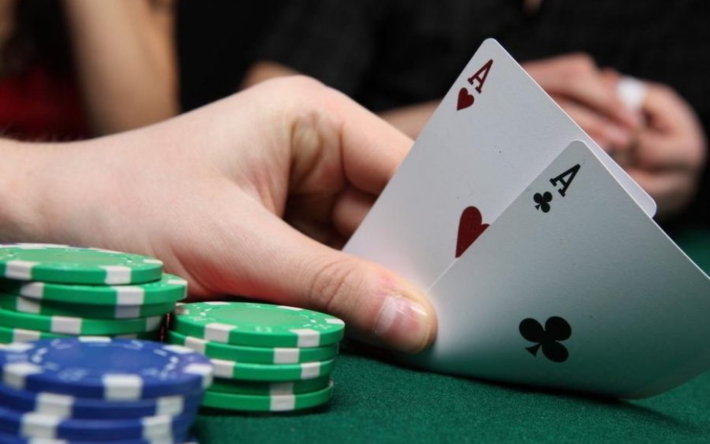
As societies developed, so did their approach to gambling. The ancient Greeks and Romans both incorporated gambling into their daily lives, with various forms of betting on games and sporting events. These early examples laid the groundwork for organized gambling, merging entertainment with a sense of competition that persists to this day.
The Middle Ages and the Birth of Modern Gambling
During the Middle Ages, gambling continued to flourish, albeit often under the shadow of strict regulations from the church and state. Games like cards gained popularity, leading to the creation of numerous gambling houses. In this era, the concept of gambling evolved from informal social activities to more structured and regulated environments.
The introduction of the lottery in the 15th century marked a significant milestone in gambling history. Lotteries became a means for governments to raise funds, often for public projects. This approach demonstrated a shift in how gambling could be perceived, moving from mere pastime to a socially accepted form of fundraising.
The Rise of Casinos and Legalization
The 17th and 18th centuries saw the emergence of the first modern casinos, particularly in Italy. Places like Venice became known for their extravagant gambling houses, where aristocrats engaged in card games and betting. This era also brought about the establishment of rules and regulations that governed gambling activities, setting a precedent for modern gaming laws.
By the 19th century, gambling was becoming increasingly commercialized. The introduction of racetracks and sports betting offered new avenues for enthusiasts to engage in wagering. Legal frameworks began to emerge, allowing governments to regulate and tax gambling, transforming it into an accepted part of society.
The Digital Revolution and Online Gambling
The advent of the internet in the late 20th century revolutionized the gambling industry. Online casinos emerged, enabling players to gamble from the comfort of their own homes. This shift not only broadened access to a wider audience but also introduced new formats such as live dealer games and interactive betting platforms.
The rise of mobile technology further enhanced this evolution, allowing users to gamble anytime and anywhere. As online gambling became more mainstream, regulations adapted to ensure fairness and safety, leading to the establishment of numerous licensing bodies worldwide. This era marks a significant transition in gambling, merging traditional practices with modern technology.

Sankra Casino: A Modern Gaming Experience
Sankra Casino exemplifies the contemporary evolution of gambling, offering an extensive range of online gaming options that cater to diverse preferences. Launched in 2026, it combines a rich casino experience with an advanced sportsbook, providing players with access to thousands of games, including slots and live dealer tables.
With a commitment to player safety and responsible gambling practices, Sankra Casino ensures a secure environment for all users. The platform's generous welcome bonuses and 24/7 customer support further enhance the gaming experience, making it a trustworthy destination for both novice and seasoned gamblers. In this way, Sankra Casino embodies the ongoing evolution of gambling, blending tradition with modern innovation.